
Canoe Trip Planning
Planning your first canoe trip can be overwhelming! Where should I go? What should I wear? What equipment do I need? Where can I rent a canoe? Do I need a permit? Are my skills adequate? Luckily we've got you covered.
Check out the resources below and reach out to your local club, instructor, or Zone Rep if you still have questions. If you're still unsure, consider hiring a guide to help make your dream canoe trip come true.

Choosing the Right Trip
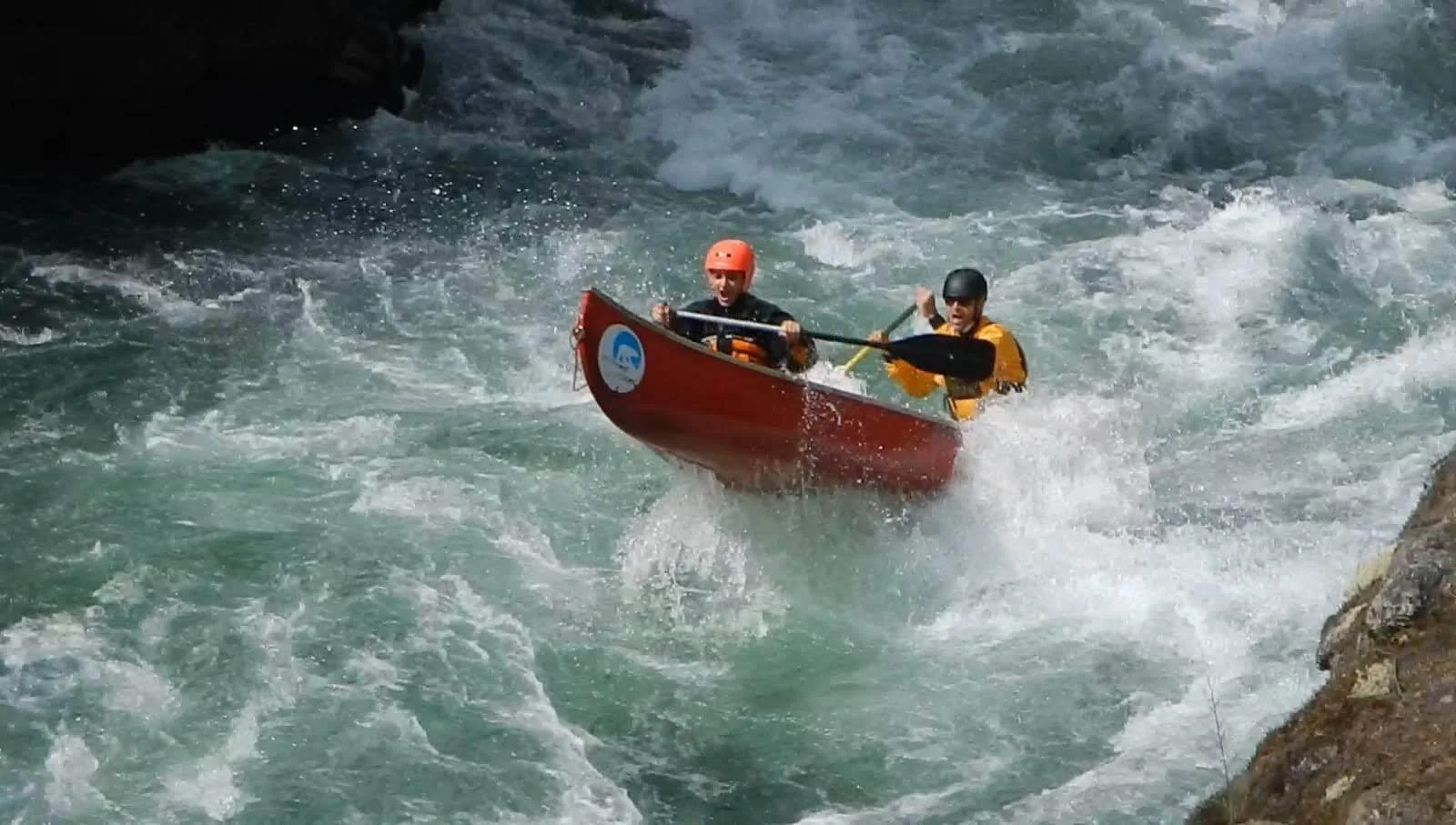
The best canoe trip for you depends on your experience, the skills of your group, the season, and the conditions you are likely to face on the water. A calm day trip on a small lake requires very different skills and preparation than a multi-day route, a large open lake, or a moving water trip.
When planning a canoe trip, be realistic about your paddling ability, rescue skills, fitness, equipment, and comfort level. Consider factors such as distance, weather exposure, water temperature, remoteness, access to help, and whether permits or special preparation may be required.
If you are new to canoe tripping, start with shorter and simpler routes that match your current skill level. As your confidence and experience grow, you can build toward more advanced destinations and conditions!
Trip Planning Resources
Click on the links to review detailed checklists.
Canoe Trip Day Packing Checklist
Multi Day Canoe Tripping Checklist
Be sure to check for permits, access requirements, local regulations, and current route conditions before you head out.
Leave No Trace guidance
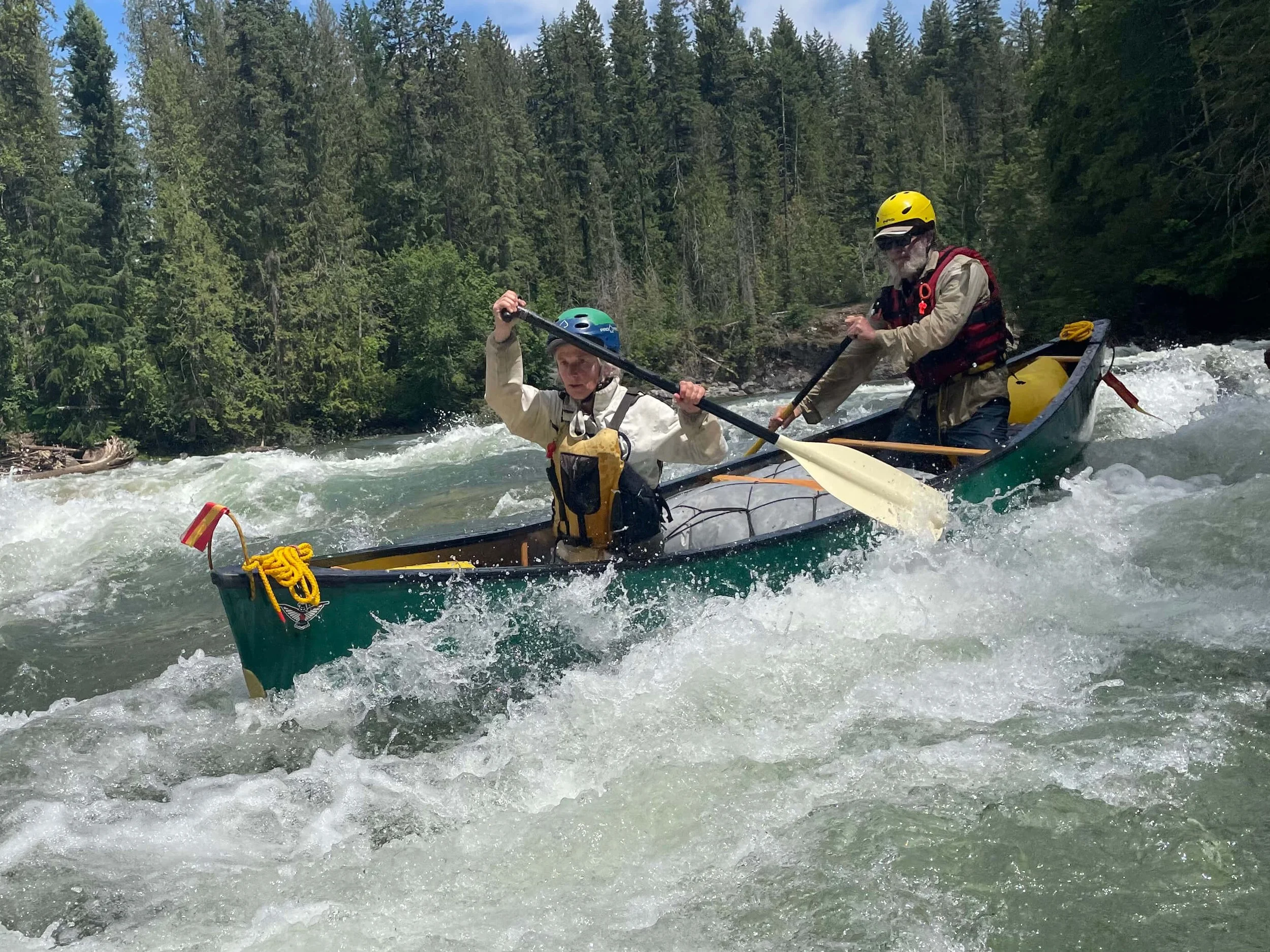
The RCABC supports Leave No Trace practices. The following are the basics:
1. Plan Ahead & Prepare: Research your destination, prepare for emergencies, and visit during low-traffic times to minimize impact.
2. Travel & Camp on Durable Surfaces: Stick to trails and camp in existing, designated areas rather than creating new impact sites.
3. Dispose of Waste Properly: Pack out all trash, and bury human waste in catholes 6-8 inches deep and at least 200 feet from water.
4. Leave What You Find: Leave rocks, plants, and artifacts as you find them for others to enjoy.
5. Minimize Campfire Impacts: Use a stove for cooking, or use existing fire rings and keep fires small, extinguishing them completely.
6. Respect Wildlife: Observe animals from a distance, never feed them, and protect their food sources.
7. Be Considerate of Others: Respect other visitors and protect the quality of their experience by controlling pets and managing noise.
To learn more, visit the Leave No Trace Canada website.
Popular BC Canoe Routes
BC has many amazing canoeing destinations. You could spend a life paddling here and not reach all the amazing lakes, rivers, and ocean sounds.
A few standout destinations though are:
Bowon Lakes
Powell Lakes
Nation Lake
Murtle Lake
Slocan Lake
Turner Lake Chain
Clearwater and Azure Lakes
Kootenay River
Stikine River (Upper and Lower - Probably skip the middle bit...)
Dease River
Desolation Sound
Broken Group
Sechelt Inlet
And many more!
For more trip ideas, check out this roundup of popular BC canoe routes.
Some More Great Learning Resources
Learning in person from a certified canoe instructor or experienced club members is the best way to master the art of canoeing. However the following resources are great starting places to build your knowledge:
Join our BC Canoeing Facebook Group BC Canoeing and ask questions there.
Path of the Paddle and various Bill Mason films
The Westwood Outdoors YouTube Channel
Canoe Routes of Northern BC by Laurel Archer
Build the Skills You Need For the Perfect Trip
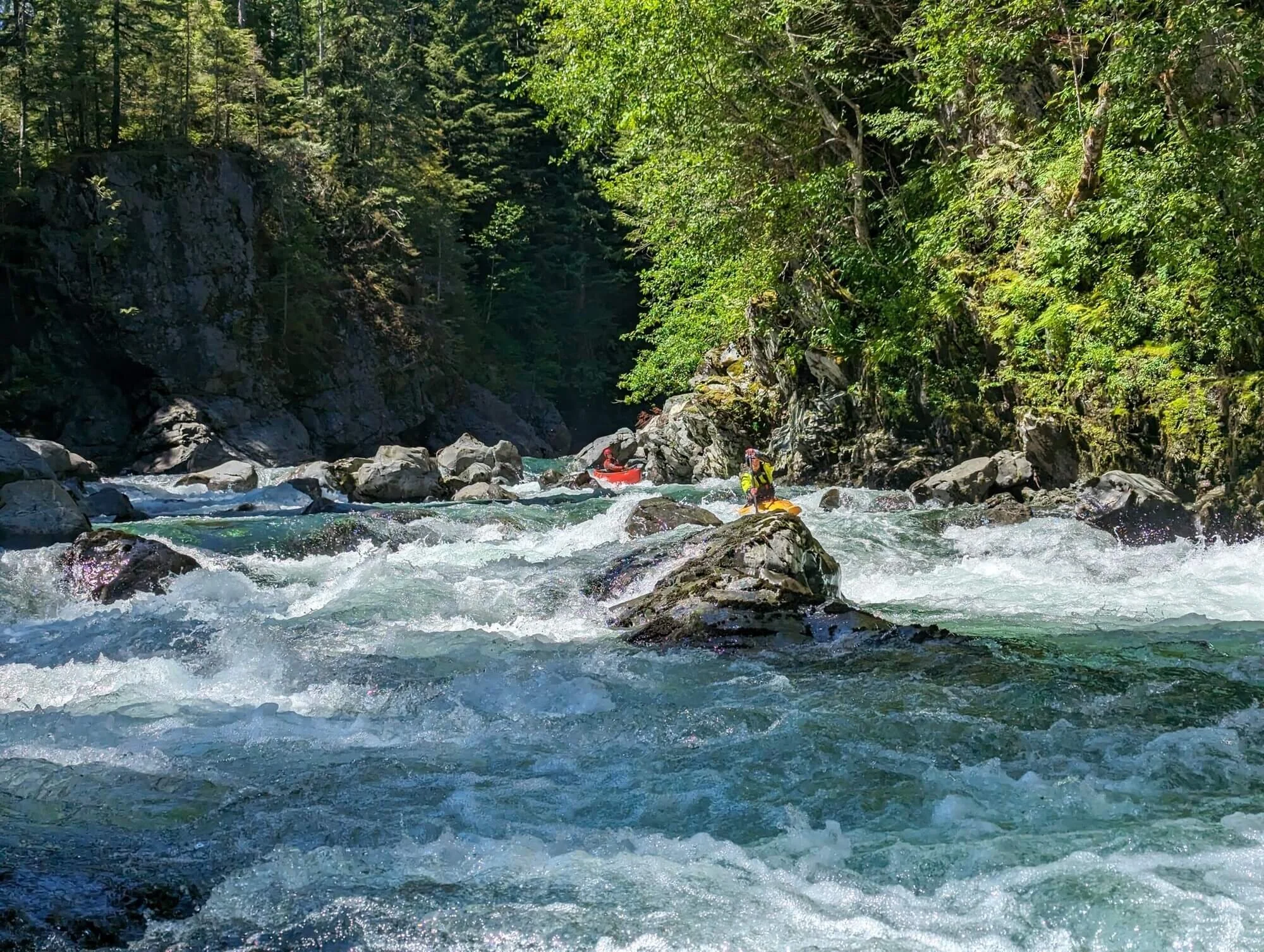
Planning a safe and enjoyable canoe trip takes preparation, judgement, and experience. Connect with RCABC courses, instructors, and clubs to keep building your paddling knowledge.